
Understanding the Internet and the Web
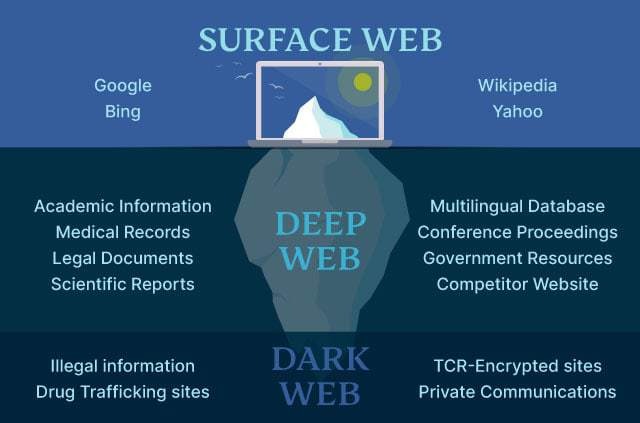
In the vast digital landscape of the Internet, distinguishing between the deep web and the dark web is crucial for understanding how information is organized and accessed. While both layers exist beneath the surface web, they serve different purposes and host varying content. The deep web encompasses information not indexed by traditional search engines, while the dark web contains sites that require special software to access and often foster illegal activities, including purchasing illicit goods. To navigate these realms safely, it’s important to grasp their differences and implications.
Definition of the Internet
The internet is a vast interconnected network that spans the globe, facilitating communication, information sharing, and the hosting of countless websites. Within this expansive digital landscape, there are various layers that serve different purposes and exist for different audiences. Two of the most commonly misunderstood components of this architecture are the deep web and the dark web.
The deep web encompasses all parts of the internet that are not indexed by traditional search engines like Google or Bing. This includes a wide range of content such as private databases, academic resources, and even subscription-based services. The deep web is far larger than the surface web, which consists of sites that are easily accessible and can be found through regular searches. It’s important to note that the deep web is largely benign and includes everyday tools such as online banking and email.
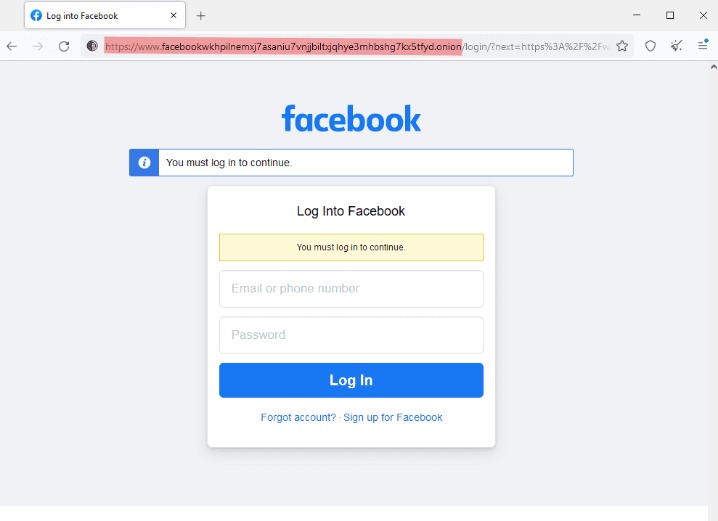
On the other hand, the dark web is a small subsection of the deep web that has been intentionally hidden and is inaccessible through standard web browsers. It requires specific software, configurations, or authorization to access. While the dark web can host legitimate content—such as forums for privacy advocates or whistleblower platforms—it is also known for facilitating illegal activities, including the trade of drugs, weapons, and stolen data.
Understanding the distinction between the deep web and the dark web is crucial. While both exist beyond the reach of standard search engines, the motivations and content types found in each are markedly different. The deep web is primarily concerned with privacy and security, providing a range of services that are not meant for public consumption, whereas the dark web often attracts more nefarious intentions. It’s essential for users to navigate these layers with caution and awareness, particularly when venturing into the dark web.
In summary, the internet serves as an expansive arena where information flows freely, but it’s vital to recognize the different layers that exist. The deep web is a vital part of online life, offering essential services that protect user privacy, while the dark web, though a small fraction of the deep web, draws significant attention due to its association with crime and secrecy. Awareness and understanding are key to safely exploring these complex environments.
Definition of the World Wide Web
The internet is a vast network that connects millions of devices across the globe, providing a platform for communication, information sharing, and commerce. Within this immense digital landscape, we find various layers that make up the entirety of the internet. Among these layers are the surface web, deep web, and dark web, each serving different purposes and audiences.
The surface web represents the portion of the internet that is accessible to the public through standard search engines. This includes websites that are indexed and can be found through typical queries. In contrast, the deep web comprises areas of the internet that are not indexed and are not accessible through traditional search engines. This includes databases, private corporate sites, academic resources, and other forms of content that require specific permissions or credentials to access.
On the other end of the spectrum lies the dark web. The dark web is a small part of the deep web that has been intentionally hidden and is inaccessible through standard web browsers. It requires specific software or configurations to access, and while it can host anonymous communication platforms and forums, it is also notorious for illegal activities, including the sale of illicit goods and services.
Understanding these distinctions is crucial for navigating the internet safely and effectively. While the surface web is where most users spend their time, being aware of the deep web and dark web is essential for comprehending the full scope of online spaces available today.
Difference Between Internet and Web
The internet is a vast network of interconnected devices that enables communication, data sharing, and access to resources. It serves as the foundation for everything online, while the World Wide Web is just one of the many services that utilize this infrastructure. Understanding the difference between the internet and the web is crucial for comprehending how information flows and is accessed in our digital age.
When we talk about the deep web and the dark web, it’s essential to know that both exist below the surface of the traditional web that most people use daily. The deep web encompasses all parts of the internet that aren’t indexed by standard search engines, including databases, private sites, and more. This part of the internet is not inherently bad and is used for legitimate purposes such as online banking and subscription services.
On the other hand, the dark web is a small, intentionally hidden section of the deep web that often requires special software to access. It’s notorious for hosting illegal activities, making it a topic of concern for law enforcement. This hidden layer often attracts users seeking anonymity, leading to both positive and negative consequences. While some utilize the dark web for privacy protection or bypassing censorship, it is also a breeding ground for illegal activities, such as the sale of drugs, weapons, and stolen data.
In summary, the internet is the overarching network, the web is a subset that provides access to content, the deep web houses unseen resources, and the dark web exists as a hidden corner where anonymity can shield both benign and malevolent actions. Recognizing these distinctions helps us navigate the complex digital landscape with a clearer understanding of its components and implications.
Importance of Infrastructure
The internet is a vast and intricate network that connects millions of computers around the globe, facilitating the exchange of information in real-time. To grasp the concept of the internet and the web, one must understand the distinction between these two terms: the internet is the physical infrastructure that enables digital communication, while the web refers to the collection of webpages and applications accessed via the internet. Understanding this framework is crucial when exploring the concepts of the deep web and the dark web, both of which exist beyond the reach of traditional search engines.
The deep web is often confused with the dark web, but they are fundamentally different. The deep web encompasses all parts of the internet that are not indexed by standard search engines, including databases, private corporate sites, and even academic resources. This vast space carries legitimate content and is essential for many professional sectors. In contrast, the dark web is a small portion of the deep web that has been intentionally hidden and is inaccessible without specific software, configurations, or authorization.
The dark web often garners attention due to its association with illegal activities, including drug trafficking, weapons sales, and illicit gambling. While these nefarious activities do exist, it is important to remember that the dark web also serves as a platform for anonymity and privacy, enabling individuals to communicate freely in oppressive regimes or share sensitive information without the risk of government surveillance.
Understanding the infrastructure of the internet and its various layers is vital for comprehending the complexities of the deep web and dark web. This knowledge not only enhances our awareness of online safety and security but also provides context for the ongoing discussions surrounding privacy rights and digital freedom in a rapidly evolving digital landscape.
Surface Web
The internet can be broadly classified into three layers: the surface web, the deep web, and the dark web. While the surface web is what most people interact with daily—consisting of websites indexed by search engines—the deep web encompasses all the content that isn’t indexed, such as databases and private sites. The dark web, a part of the deep web, is often misunderstood and associated with illicit activities. However, not all dark web content is illegal, and discussions about its legality often spur debate. Understanding the differences among these layers is crucial for navigating the complexities of online information.
What is the Surface Web?
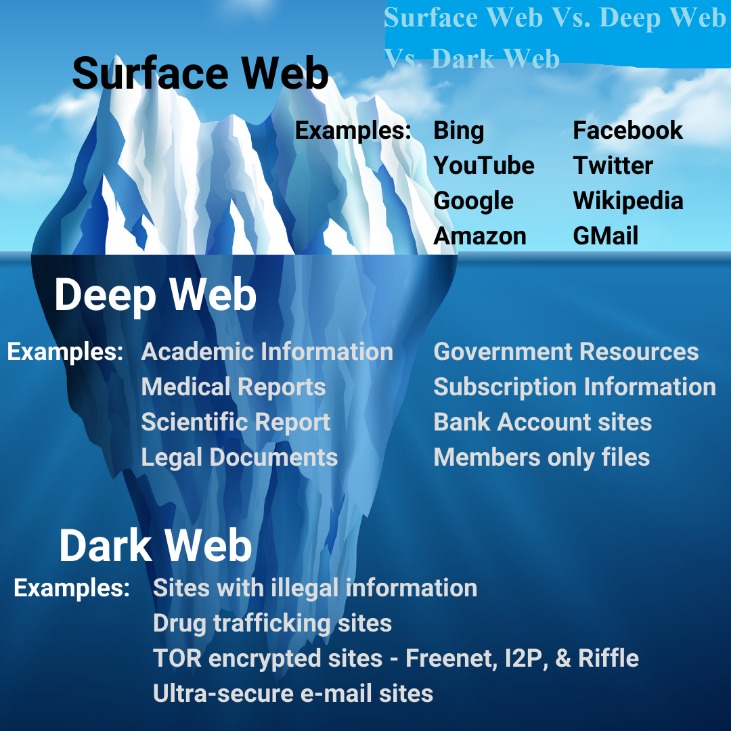
The Surface Web refers to the part of the internet that is easily accessible to the general public and can be indexed by search engines like Google, Bing, and Yahoo. This includes websites that are commonly visited, such as news sites, social media platforms, blogs, and e-commerce sites. The content found here is visible and searchable, making it a familiar space for most internet users.
In contrast, there are two other layers of the internet: the Deep Web and the dark web. The Deep Web consists of parts of the internet that are not indexed by standard search engines. This includes things like private databases, subscription-only sites, and password-protected content. While the Deep Web is much larger than the Surface Web, it is generally safe and legal, containing valuable information that isn’t meant for the public eye.
The dark web is a small portion of the Deep Web but often attracts more attention due to its association with anonymity and illicit activities. Accessing the dark web typically requires specific software that masks the user’s identity, allowing for more private interactions. While it can be a space for privacy-focused communication and information sharing, it is also notorious for illegal activities. Understanding the differences between these layers helps clarify what is available on the Surface Web and the reasons some might choose to explore the other sides of the internet.
How Surface Web Works
The Surface Web refers to the portion of the internet that is readily accessible to the general public. It includes websites indexed by traditional search engines like Google, Bing, and Yahoo. This part of the internet consists of familiar sites like social media platforms, news outlets, and blogs. However, beyond the Surface Web lies the Deep Web and the Dark Web, each serving different purposes and having distinct characteristics.
The Deep Web is often confused with the Dark Web, but it is crucial to understand their differences. The Deep Web comprises content that is not indexed by search engines, such as databases, private corporate sites, academic resources, and other protected information. This means that while it is often viewed as inaccessible, much of this content is legal and harmless if accessed properly. It operates behind a paywall or requires authentication, making it a safe haven for secure information exchange.
- There’s also a risk of being monitored by state actors or cybercriminals who leverage de-anonymization techniques to identify users.
- Properly managed, the dark web becomes less a risk and more a source of strategic insight—supporting resilient, informed decision-making.
- Since the internet is not safe, using a Tor browser can protect the user’s system and virtual activities from the prying eyes of the ISPs and third-party internet criminals.
- Some well-known underground sources can be easier to find because there are dedicated sites that share links and maintain regular status updates.
- The Dark Web is not illegal to use or consists entirely of illegal elements.
- Internet users familiar with encryption and cybersecurity likely know about VPNs, which can also mask your IP, but only to a certain point.
On the other hand, the Dark Web is a tiny part of the Deep Web and is infamous for its illicit activities. Accessing the Dark Web typically requires special software, like Tor, which anonymizes users’ identities. It is here that illegal activities thrive, from drug trafficking to hacking services. While there are legal aspects to some sites on the Dark Web, a significant portion revolves around activities that are illegal and pose risks to users.
Understanding the distinctions between the Surface Web, Deep Web, and Dark Web is essential for navigating the internet safely. While the Surface Web is prominent and easily searchable, it represents only a fraction of the entire internet landscape. The Deep Web holds vast amounts of useful, legal information, whereas the Dark Web serves as a complex underbelly that primarily houses illegal activities. Engaging with any of these parts of the internet requires awareness of the associated risks and the legality of the content one seeks to access.
Examples of Surface Web Pages
The internet is often described as having different layers, with the Surface Web, Deep Web, and Dark Web representing these layers. The Surface Web, which is the part of the internet accessible to everyone through standard search engines, includes a variety of websites like social media platforms, news sites, and online shopping. Understanding this distinction is essential when discussing the complexities of online spaces.
Examples of Surface Web pages include popular sites such as Facebook, where users connect and share content; Wikipedia, an online encyclopedia that provides information on countless topics; and Amazon, a leading e-commerce platform for buying goods. These sites are indexed by search engines like Google, making them easy for users to find and navigate.
In contrast, the Deep Web consists of information that is not indexed by traditional search engines. This includes databases, private networks, and content behind paywalls or member logins, making it less accessible to the general public. On the other hand, the Dark Web is a small portion of the Deep Web, known for its anonymity and often associated with illegal activities.
Understanding the differences between the Dark Web and Deep Web is crucial. The Deep Web itself is vast and legitimate, with a huge amount of information that supports various functions like academic research and private communication. However, the Dark Web, while also part of the Deep Web, is characterized by its hidden nature and the potential for illicit content.
In summary, while the Surface Web provides an accessible gateway to a wealth of information, the Deep Web offers a significant amount of data that remains hidden from standard searches. The Dark Web, as a subset of the Deep Web, brings forward another layer of complexity and risk, emphasizing the importance of understanding the structure of the internet.
Deep Web
The internet we access daily is just the surface of a vastly larger digital landscape. Below this surface lies the Deep Web, a collection of databases, private information, and content not indexed by standard search engines. Within the Deep Web exists a more enigmatic layer known as the dark web, often associated with illicit activities and hidden forums. Understanding the differences between the dark web and the Deep Web is crucial for anyone navigating the complexities of online privacy and security. For those interested in exploring more about user intent, the distinction becomes even clearer.
What is the Deep Web?
The internet is often thought of as a vast collection of websites accessible through standard search engines. However, beyond this visible layer lies the Deep Web, which includes all parts of the internet not indexed by traditional search engines. It encompasses a multitude of sites, such as databases, private corporate sites, and personal accounts. While the Deep Web itself isn’t inherently nefarious, it is significantly different from the Dark Web, which is a smaller portion of the Deep Web specifically designed to be hidden and often associated with illegal activities.
The Deep Web is crucial for various legitimate purposes. For instance, academic institutions, medical databases, and legal documents are all part of this hidden layer, protecting sensitive information from public access. This aspect highlights the importance of security in maintaining privacy and confidentiality in our digital lives. On the other hand, the Dark Web, which requires specific software to access, is notorious for its anonymity and the potential for dangerous exchanges, including illicit goods and services.
It’s essential to understand the differences between these two realms. While the Deep Web serves valuable functions and is essential for data protection, the Dark Web can pose significant risks. Users venturing into the Dark Web must be cautious and prioritize their security to avoid malicious activities and threats. Ultimately, while both the Deep Web and Dark Web contribute to the complexity of our online existence, they serve vastly different purposes and carry different implications for privacy and safety.
Characteristics of the Deep Web
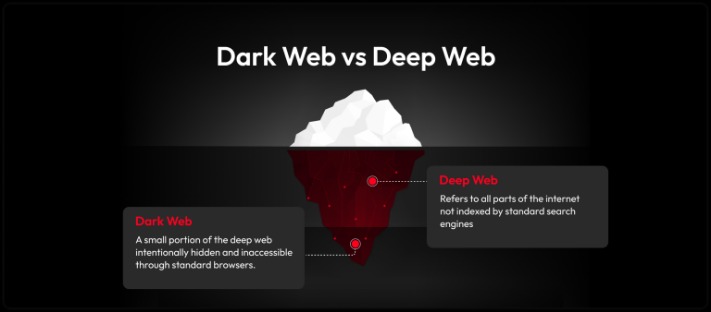
The Deep Web and the Dark Web often get confused, but they are not the same. The Deep Web refers to parts of the internet that aren’t indexed by traditional search engines like Google or Bing, while the Dark Web is a small section of the Deep Web that is intentionally hidden and requires special software to access. Here’s a closer look at the characteristics of each:
- Accessibility: The Deep Web includes databases, private corporate sites, and any content that is password-protected. Most of this content is legal.
- Content: The Deep Web houses a vast array of information, such as academic resources, government databases, and subscription services, whereas the Dark Web often contains illegal content.
- Legality: While much of the Deep Web is perfectly legal, the Dark Web can involve illegal activities, making it essential to navigate these areas with caution.
- Technology: The Dark Web uses specific tools like Tor to anonymize users, while the Deep Web is accessible through standard web browsers.
Understanding these differences is crucial, especially when considering the implications of legality and safety when exploring these obscure parts of the internet.
Common Deep Web Examples
The internet is a vast landscape, encompassing layers of information and resources. Among these layers, two terms often come up in discussions: the deep web and the dark web. While the deep web includes all parts of the internet that aren’t indexed by traditional search engines, the dark web is a small fraction of the deep web that has gained notoriety for its illicit activities. Understanding the differences between these two can help demystify their functions and implications.
The deep web hosts a variety of everyday platforms, all of which are essential for various professional and personal tasks. Common examples include online banking websites, private databases, medical records, and subscription-based content. These resources are not readily accessible through standard search engines like Google, as they often require specific credentials or subscriptions to access.
In contrast, the dark web is accessible only through specific software, most notably the Tor network, which anonymizes users’ identities and activities. While the dark web is often associated with illegal activities—such as drug trafficking or illegal goods—it’s also a space for political activists and whistleblowers who need to communicate securely and anonymously. Despite its somewhat sinister reputation, the dark web serves legitimate purposes, providing a platform for free speech in environments where censorship is prevalent.
Ultimately, understanding both the deep web and the dark web reveals a more complex picture of internet privacy and the diverse interactions that take place below the surface. While the deep web encompasses the mundane and necessary aspects of our digital lives, the dark web hints at a more hidden and often controversial side of the online world.
Misconceptions About the Deep Web
The terms “deep web” and “dark web” are often confused, leading to various misconceptions. Understanding the differences between these two digital realms is essential. While both lie beneath the surface of the standard internet, their purposes and contents differ significantly.
Here are some common misconceptions about the deep web:
- The deep web is illegal: A large portion of the deep web consists of legitimate and benign content, such as academic databases, private company databases, and medical records.
- The deep web and dark web are the same: While the dark web is a small part of the deep web, the latter encompasses a much larger array of information that is simply not indexed by standard search engines.
- You need special software to access the deep web: Unlike the dark web, which requires specific tools like Tor, accessing the deep web often just involves using standard browsers to reach certain databases or content.
- Everything on the deep web is dangerous: While the dark web may host illegal activities, most of the deep web is safe and is used for everyday legitimate purposes.
In summary, while the deep web contains valuable resources and information, it is essential to differentiate it from the darker, more perilous corners of the online world. Understanding these distinctions helps users navigate the internet more safely and knowledgeably.
Dark Web
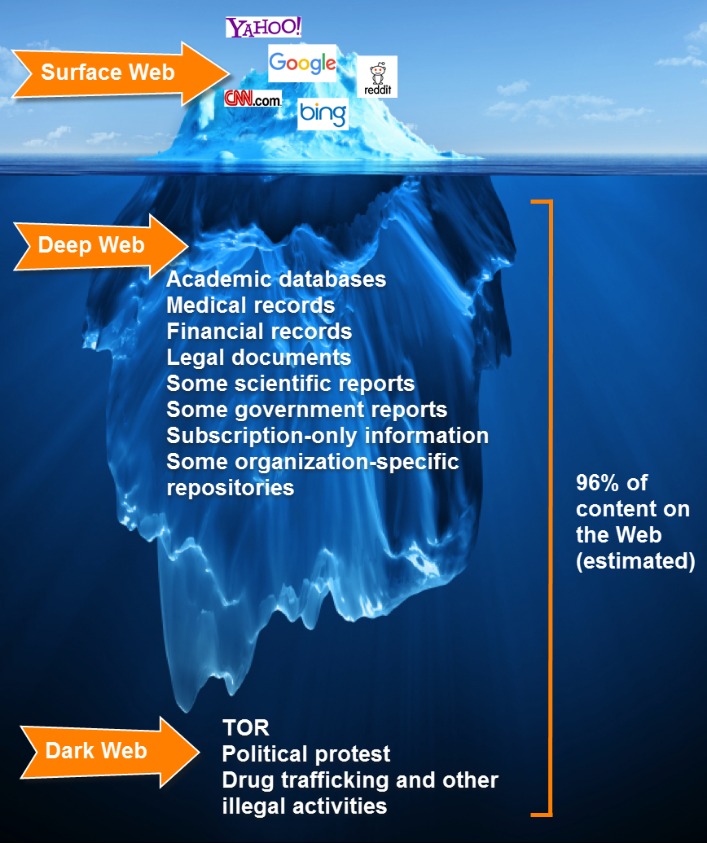
The internet is a vast space, divided into several layers that include the surface web, deep web, and the mysterious dark web. While the surface web is what most users access daily, the deep web consists of content not indexed by traditional search engines, including databases and private networks. In contrast, the dark web represents a hidden part of the internet that requires special software to access, often associated with anonymity and illicit activities. Understanding the distinction between these two layers—deep web and dark web—is essential, especially when considering online security and privacy concerns.
What is the Dark Web?
The Dark Web, often confused with the Deep Web, represents a small part of the internet obscured from regular search engines. While the Deep Web includes all parts of the internet that aren’t indexed, such as personal databases and private sites, the Dark Web is specifically designed for anonymity and privacy, often hosting illegal activities and illicit marketplaces.
Accessing the Dark Web requires specific software, like Tor, which allows users to browse anonymously. This environment fosters an underground culture, where information can be shared freely, but it also raises concerns regarding legality. Many activities on the Dark Web, such as drug trafficking, illegal arms sales, and other criminal enterprises, operate outside the law. It’s important to understand that while the Dark Web can be used for legitimate purposes, such as safeguarding privacy for activists in oppressive regimes, it is often associated with activities that can lead to serious legal consequences.
In contrast, the Deep Web contains vast resources that serve important functions, such as online banking, private email, and medical records, which are legal and necessary for daily life. The distinction between these two realms is significant; while the Deep Web is mainly innocuous and legal, the Dark Web exists in a more shadowy territory, characterized by its association with illegal activities. Thus, when navigating the complexities of the internet, it’s vital to recognize the differences, as the implications of engaging with the Dark Web can have far-reaching effects.
How the Dark Web Differs from Deep Web
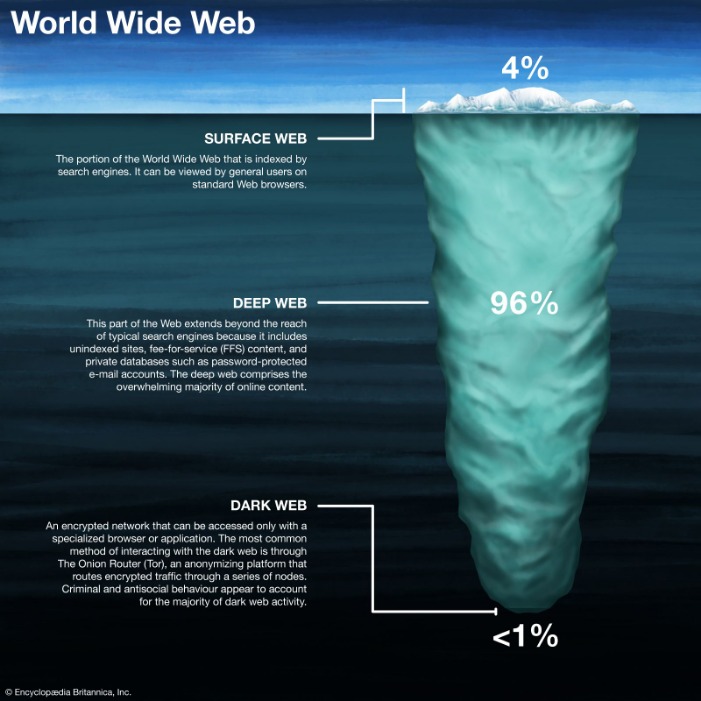
The internet is often thought of as a vast expanse of information, but it can be divided into different layers, with the Deep Web and Dark Web being two distinct components. While many people use the terms interchangeably, they refer to different parts of the internet that operate in unique ways. Understanding these differences can help shed light on how various online spaces function and who utilizes them.
The Deep Web encompasses all parts of the internet that are not indexed by traditional search engines like Google or Bing. This includes everything from private databases and academic resources to password-protected sites and behind-the-scenes web applications. The majority of the content on the Deep Web is harmless and entirely legal, serving legitimate purposes, such as online banking, subscription services, and company intranets.
In contrast, the Dark Web is a smaller segment of the Deep Web that has gained notoriety for its association with illegal activities and anonymity. Accessing the Dark Web typically requires specific software, such as Tor, which enables users to navigate sites with .onion domains. The primary allure of the Dark Web lies in the promise of privacy, allowing users to conduct transactions, browse anonymously, and communicate without fear of surveillance. However, this environment is also rife with illegal activities such as drug trafficking, weapon sales, and a myriad of other illicit services.
Overall, while both the Deep Web and Dark Web serve important functions, they cater to different audiences and purposes. The Deep Web is essential for everyday online activities requiring privacy, while the Dark Web attracts those seeking anonymity for more questionable endeavors. Understanding these differences allows individuals to navigate the internet more safely and with greater awareness of their online activities.
Accessing the Dark Web
The internet is a vast space, filled with various layers of information and accessibility. Among these layers, the terms “dark web” and “deep web” often create confusion for many. While both areas are not typically indexed by standard search engines, they serve different purposes and contain distinctly different content.
The deep web refers to all parts of the internet that are not indexed by traditional search engines. This includes websites that require authentication, databases, and other types of content that are not available to the public. For instance, medical records, legal documents, and subscription services fall under this category. Accessing the deep web requires specific tools or credentials, but it is generally safe for the average user.
In contrast, the dark web is a small segment of the deep web that has gained notoriety for its association with illegal activities. It is deliberately hidden and requires special software, such as Tor, for access. Users can browse this part of the web anonymously, which is why it can host everything from forums discussing illicit products to other more benign communities. It’s important to understand the differences between the dark web and the deep web, as they reflect the varied nature of content and usage across these spaces.
While navigating either the dark web or deep web, it’s crucial to exercise caution. The deep web holds many valuable resources that benefit users, while the dark web can expose individuals to risks, including scams or illegal transactions. Therefore, having a clear grip on what each part entails can help users make informed choices about how to engage with these layers of the internet.
Types of Content on the Dark Web
The dark web and deep web are often confused, but they represent different portions of the internet. The deep web refers to all parts of the internet that aren’t indexed by standard search engines like Google. This includes a vast array of content such as online banking sites, medical records, and academic databases that are legally protected and require authentication to access. In contrast, the dark web is a small segment of the deep web, noted for its anonymity and often illicit content.
Content found on the dark web can vary widely, but it often includes forums discussing illegal activities, marketplaces for drugs, weapons, and stolen data. Some sites offer hacking services or the sale of malware, while others may host content that is not strictly illegal but certainly controversial, such as whistleblowing platforms or political dissent in oppressive regimes. However, it is essential to understand that not all content on the dark web is illegal or harmful. There are communities that support free speech and privacy rights, often hosting discussions that challenge censorship and advocate for various issues.
The legality of engaging with the dark web can be complicated. While accessing it itself is not illegal, certain types of content and activities associated with it undoubtedly are. Therefore, users must navigate this murky digital landscape with caution and awareness of the risks involved. By understanding the differences between the dark web and deep web, as well as the types of content found within them, individuals can make informed decisions about their online activities and the legal implications they may face.
Risks Associated with the Dark Web
The Dark Web and Deep Web are often confused, but they serve very different purposes. While the Deep Web encompasses all parts of the internet not indexed by search engines, such as private databases and sensitive information, the Dark Web is a small section of the Deep Web intentionally hidden and accessible only through specialized software, like Tor. This area is notorious for its illicit activities, making it crucial to understand the risks associated with navigating it.
One of the primary risks of the Dark Web is the threat to personal security. Users may inadvertently expose their sensitive information by accessing untrustworthy sites or engaging with malicious actors. Cybercriminals often thrive in this environment, selling stolen data, hacking services, and illicit goods, putting individuals at significant risk of data breaches or identity theft.
Additionally, the anonymity provided by the Dark Web can foster a sense of safety for users, but it can also lead to dangerous interactions. Users must be wary of scams and potentially harmful content, as the absence of regulation means that not everything found on the Dark Web is legitimate. Engaging in illegal activities can result in severe consequences, including criminal charges.
While the Deep Web has legitimate applications and is utilized by various sectors, such as academia and healthcare, the Dark Web’s notorious reputation highlights the security hazards connected to its unregulated nature. It is critical for individuals to approach this hidden part of the internet with caution, remaining aware of the potential dangers that lurk within its shadows.
Legitimate Uses of the Dark Web
The distinction between the dark web and deep web can often create confusion, as many people use the terms interchangeably. However, understanding these differences is crucial, especially when exploring legitimate uses of the dark web. While the deep web encompasses all parts of the internet not indexed by traditional search engines, the dark web refers specifically to a small portion of the deep web that has been intentionally hidden and is inaccessible without special software.
One of the more prominent legitimate uses of the dark web is in the realm of privacy-focused communication and information sharing. For instance, journalists and whistleblowers may utilize the dark web to communicate securely and anonymously. This allows them to share sensitive information without the risk of surveillance or intimidation. In this context, privacy is paramount, ensuring that sources are protected and can safely contribute to critical narratives.
Moreover, activists living under oppressive regimes often turn to the dark web to organize, share resources, and mobilize support while protecting their identities. This enables them to advocate for change without exposing themselves to potential repercussions. In these scenarios, the dark web acts as a valuable tool for facilitating freedom of expression and ensuring the safety of individuals who challenge the status quo.
Despite its notoriety, the dark web also serves various other legitimate purposes, such as providing forums for discussing contentious topics, promoting civil rights, and facilitating the exchange of information on privacy-enhancing technologies. These aspects illustrate that, while the dark web can be associated with illegal activities, it is also a space that fosters crucial conversations and activism that would otherwise be stifled in more public forums.
Conclusion
As we delve into the fascinating realms of the dark web and deep web, it’s crucial to understand the distinction between these often-misunderstood areas of the internet. While the surface web comprises the websites we frequently visit, such as social media platforms and online stores, both the dark web and deep web exist beneath the surface, offering unique features and challenges. The dark web is known for its anonymity and unregulated content, contrasting sharply with the more benign deep web, which encompasses vast amounts of information that simply aren’t indexed by traditional search engines. In grasping these differences, we gain insight into the complexities of digital privacy and security.
Summary of Key Points
In conclusion, understanding the distinctions between the dark web and deep web is essential for navigating the complexities of the internet. While both terms often get conflated, they represent different layers of online spaces. The deep web encompasses a vast amount of content that is not indexed by traditional search engines, allowing for private communications and databases that are not accessible through standard browsing. On the other hand, the dark web is a small segment of the deep web, notorious for hosting illicit activities but also serving as a haven for privacy-focused individuals.
Key points to take away include the fact that the deep web is far larger than the surface web, containing content like online banking, academic databases, and subscription services, which cater to legitimate users seeking security and confidentiality. In contrast, the dark web, which is often accessed using specific software tools, provides anonymity but can be rife with illegal activities, making it crucial to approach this area with caution.
Ultimately, navigating these layers of the internet, from the surface level to the deeper realms, requires a balanced understanding of the risks and benefits. As highlighted, using a secure and informed approach can help individuals protect their privacy while exploring the vast resources available, especially when some of this content remains hidden from traditional search engines.
Importance of Being Informed
In exploring the distinctions between the dark web and the deep web, it is essential to conclude with a deeper understanding of their implications on our lives. The deep web encompasses a vast section of the internet that is not indexed by standard search engines, housing everything from private databases to social media information. In contrast, the dark web is a subset of the deep web that is deliberately hidden and requires specific software to access, often associated with illegal activities.
Being informed about these distinctions is not just a matter of curiosity; it has significant implications for privacy, security, and legality. Understanding the legality of various activities that occur on the dark web can help individuals navigate the internet more safely and responsibly. The dark web, while infamous for illicit transactions and services, also hosts forums for whistleblowers, activists, and others seeking anonymity for legitimate purposes. This duality emphasizes the importance of recognizing both the risks and the potential benefits of accessing these hidden layers of the internet.
In conclusion, being knowledgeable about the deep web and dark web not only empowers individuals to make informed choices but also encourages a broader discourse on cybersecurity, privacy rights, and the ethical use of technology. As our online landscape continues to evolve, fostering awareness of these areas will become increasingly important for navigating the complexities of modern digital life.